Deep-tier supply chain financing

Financing that reaches the end of the supply chain.

Anchor credit stops at Tier-1. Below that, verification disappears. JuncturaX is the verification infrastructure that carries an anchor's credit past Tier-1, so Tier-2, Tier-3 and Tier-4 suppliers finance at anchor-linked rates.

Petronas mints a token as anchor buyer. It cascades down Tier 1, Tier 2 and Tier 3 to the Tier 4 supplier, who seeks early financing. A financing platform or bank, funded by an investor, advances cash for the token. At maturity Petronas repays into a settlement SPV, and whoever holds the token redeems it there.PetronasAnchor buyer — mints the tokenTier 1 SupplierReceives & splits the tokenTier 2 SupplierReceives & splits the tokenTier 3 SupplierReceives & splits the tokenTier 4 SupplierSeeks early financingSettlement SPVHolds Petronas's repaymentInvestor / Funding SourceProvides the capitalFinancing Platform / BankAdvances cash for the tokenRedeemable by whoever holds the token —if never financed, the supplier redeems it directly1234567
US$2.5tn
Global trade finance gap
~40%
Of that gap sits in Asia-Pacific
Below Tier-1
Where the shortfall concentrates
The problem

Supply-chain finance stops at Tier-1.

Anchor credit reaches the direct supplier. Below that, verification disappears — and with it, affordable financing.

AAnchorLarge corporate buyer
1Tier-1Sells direct to the anchor
Traditional SCF stops here
2Tier-2Supplies the Tier-1
3Tier-3Typically a small SME
4Tier-4+Often outside the formal system
Why it stops

Information failures should not be credit failures.

Each of these is solvable with better verification infrastructure, not more risk appetite.

  1. 01

    Provenance

    No contractual link between the anchor and Tier-2+ suppliers, so there is nothing to underwrite against.

  2. 02

    Verification

    Manual diligence doesn't scale to hundreds of small suppliers; invoice fraud is a known, material risk.

  3. 03

    Uniqueness

    No shared source of truth across financiers, so the same invoice can be financed more than once.

  4. 04

    Recovery

    Chasing a thin-balance-sheet supplier, often through a distressed intermediary in between.

Given today's information, declining a Tier-2 or Tier-3 supplier is the correct decision. The case here is that the information deficit is closeable.

The scale of the gap

A region that carries the gap, not the trade.

US$2.5tn
Global trade finance gap
Roughly 10% of global trade
~40%
Of that gap sits in Asia-Pacific
Concentrated below Tier-1
35%
The region's share of global goods trade
Disproportionately underserved

A region that generates 35% of goods trade but carries 40% of the financing gap is disproportionately underserved, and the shortfall concentrates below Tier-1.

Source: Asian Development Bank, Trade Finance Gaps, Growth, and Jobs Survey.

The rate gap

The rate gap deep-tier financing is built to close.

Illustrative annual financing cost, by position in the chain. The deeper the tier, the further the price drifts from the anchor's own — for the same underlying obligation.

Annual financing cost by position in the chainIllustrative
  1. AnchorLarge corporate3–5%
  2. Tier-1Bank SCF, anchor-priced~4–6%
  3. Tier-2/3Fintech and P2P5.5–12%
  4. Tier-3+Unstructured18–22%

Illustrative — actual rates vary by anchor, tenor and market.

How the mechanism works

A single anchor obligation, made divisible and traceable as it cascades down.

Read the full mechanism
  1. 1

    Obligation created

    The anchor approves an invoice or purchase order with its Tier-1 supplier. A digital claim representing that payment obligation is created, inheriting the anchor's credit standing.

  2. 2

    Obligation cascades

    Tier-1 can split and transfer portions of the claim to its own suppliers — Tier-2, 3, 4 — each transfer recorded with an unbroken chain of custody back to the anchor.

  3. 3

    Any tier can finance early

    A financier holding the claim's verified history can advance funds against it, pricing off the anchor's risk rather than the small supplier's own.

  4. 4

    Verified before it's financed

    Each claim is checked against the buyer's confirmation before it can be financed, keeping duplicate or fabricated claims out of the system.

  5. 5

    Anchor pays, funds route automatically

    At maturity the anchor pays; proceeds settle automatically to whoever currently holds the claim.

Three layers make it work

None of this is visible to the supplier.

They only ever see fiat currency landing in their account.

Divisible obligation instrument

Splits a single payment claim into traceable slices that can move down multiple tiers without losing their link back to the anchor.

Cryptographic invoice verification

Confirms an invoice is genuine and buyer-acknowledged, without exposing confidential commercial detail, before it can be financed.

Permissioned verification ledger

A shared, KYC'd record of custody and financing status. Not a public blockchain, and no crypto exposure for anchors or suppliers.

Privacy by design

Visibility without exposure.

Every participant sees who they need to, never another party's payment terms.

Any tier's view

Tier-2, for example
AAnchor
1Tier-1
2Tier-2
3Tier-3
4Tier-4+

Sees exactly two things: who is paying them (Tier-1) and their own suppliers (Tier-3). Nothing further up or down the chain.

The anchor's view

Anchor
AAnchor
1Tier-1
2Tier-2
3Tier-3
4Tier-4+

Sees that Tier-2, Tier-3 and Tier-4 obligations exist and their financing status — never the payment amount between other parties.

Privacy by design, not by policy.

Who it is for

Three seats, one verified obligation.

Anchor, supplier and financier each sit at a different point in the chain, and each has a different reason to want verified liquidity to reach every tier.

An executive boardroom with a long table, upholstered chairs and a wall screen.
For anchors

A more resilient supply chain, with no new obligation on your balance sheet.

  • A chain that doesn't break under cash strain. Tier-2, 3 and 4 suppliers who can finance affordably are far less likely to delay deliveries, cut quality, or fail outright.
  • No new obligation, no balance-sheet impact. The anchor only ever confirms invoices it already owes. No new liability, guarantee or lending exposure.
  • Visibility several tiers down. A verified record of who is actually supplying you and their financing status, tier by tier — never the amounts between other parties.
Read more
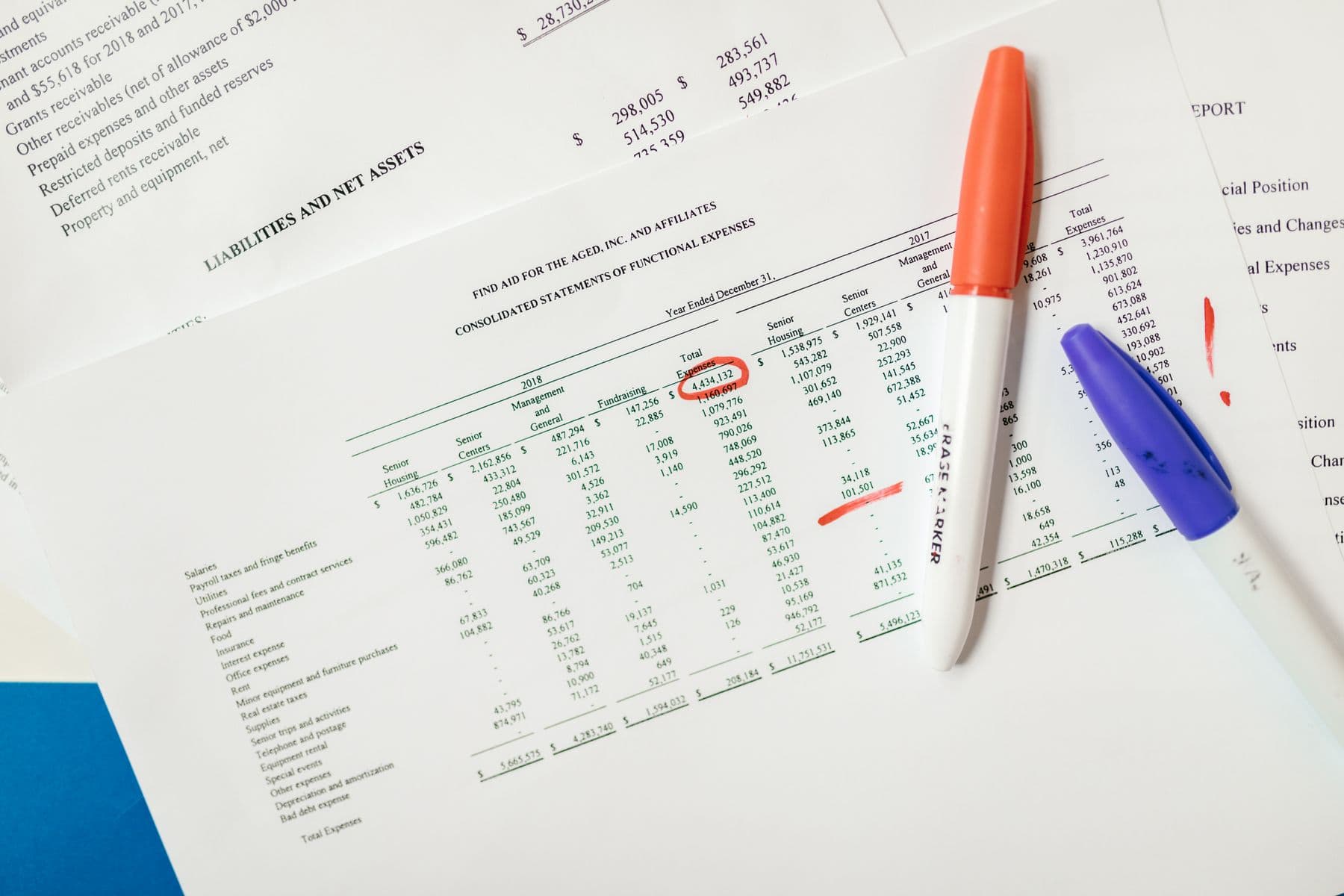
Financial statements on a desk with figures marked in pen.
For suppliers

Get paid on your anchor's credit, however far down the chain you sit.

  • Anchor-linked pricing. Finance a confirmed obligation at a rate priced off the anchor's risk, not your own standalone borrowing cost.
  • Cash when you need it. Advance funds against a verified claim instead of waiting out the anchor's payment terms.
  • Pass value down. Split the claim and transfer portions to your own suppliers, so they can finance the same way.
Read more
A market data screen with price charts and rows of figures.
For financing institutions

Every item is a risk reduced or avoided, not a new risk taken on.

  • No new anchor counterparty risk. Pricing stays anchor-linked: this extends a credit view the institution already holds, rather than underwriting an unknown new counterparty.
  • Fraud and duplication closed at the source. Every claim is verified against the buyer before it can be financed, with one traceable owner per obligation — the two biggest loss vectors in unstructured deep-tier lending.
  • Guarantee-wrapped exposure at the riskiest layer. CGC-, ADB- and DFI-style guarantee capacity can sit specifically at the deepest tier, where credit risk is least anchor-correlated.
Read more
The platform

One trade, three seats.

The anchor confirms, every supplier underneath can finance, and the desk runs the book in between. Not three products: one obligation, seen from three chairs.

junctura.app / approvals
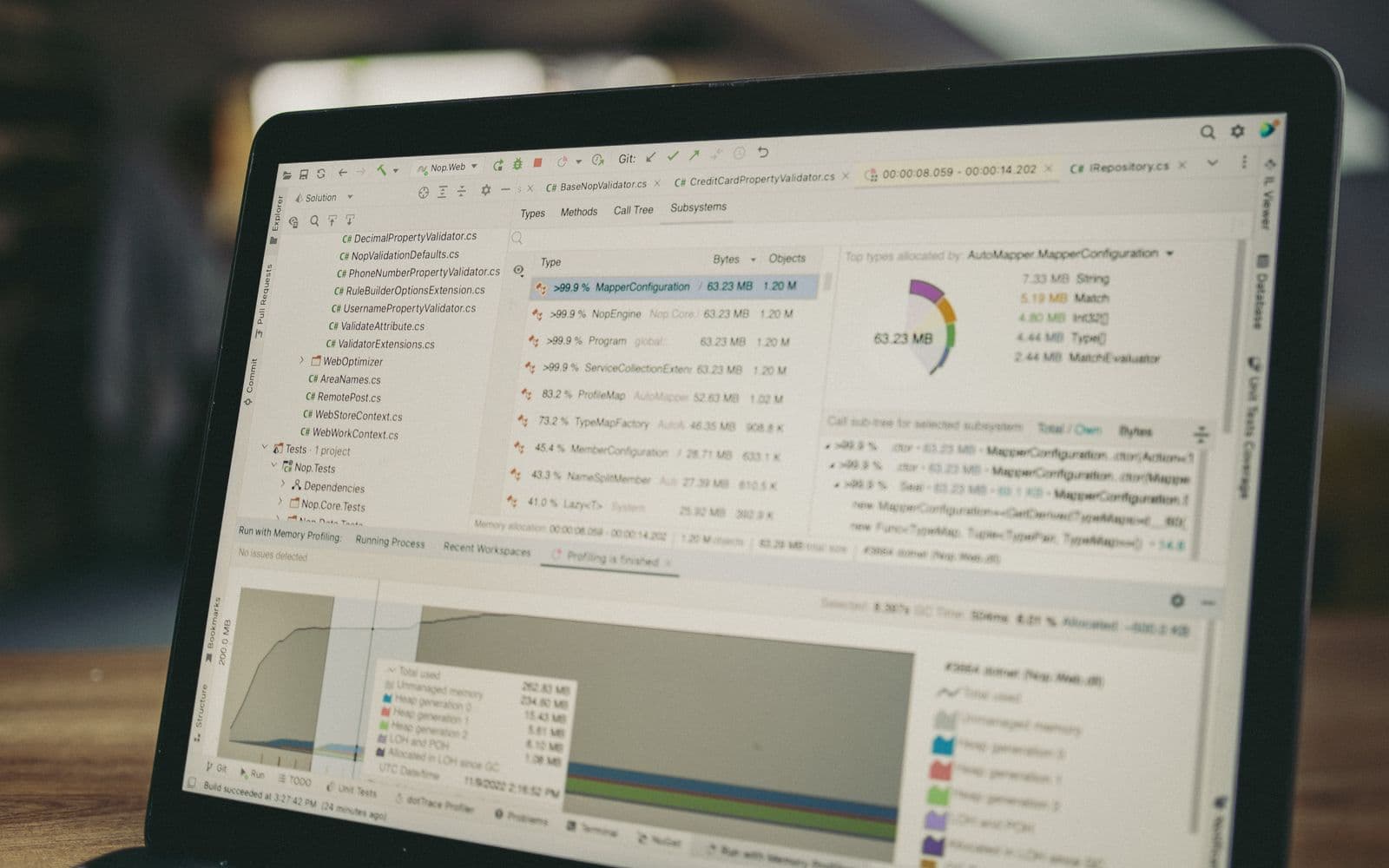
A laptop screen showing a data analysis interface.
For the anchor

The approval console

Confirm what you owe, and watch how far it travels.

  • Approve invoices
  • Follow the obligation down
  • Set your limits
junctura.app / get-paid
A monitor showing market charts side by side.
For every supplier below

The supplier portal

Get paid early on your anchor's credit, then pass it on.

  • See what you're owed
  • Compare offers
  • Pass value down
junctura.app / network
A dense financial terminal with charts and rows of figures.
For the desk that runs it

The network console

The whole book — every programme, member and financier.

  • Company checks
  • Custody and status
  • Risk and limits
The verification layer

Every obligation, checked the same way, every time.

This is what makes an obligation financeable — not a claim, a checklist. Every step is verified before liquidity moves.

  1. Anchor01

    A named anchor with a programme agreement in place.

  2. Invoice02

    Issued against a delivery, not a purchase order — and confirmed genuine cryptographically.

  3. Approval03

    Acknowledged by the anchor before anything is eligible.

  4. Supplier04

    KYC'd once, verified for every anchor it trades with.

  5. Custody05

    One traceable owner per obligation, all the way back to the anchor.

  6. Settlement06

    Written once to the record and never edited.

The brass wheel of a bank vault door.
Cross-border trade finance

Cross-border trade, reimagined.

A permissioned document ledger and a liquidity pool for commodity trade finance — replacing two banks with one shared source of truth, and one financing pool.

01
Document ledger
The trust layer
02
Liquidity pool
The credit and liquidity layer
Explore trade finance
Long-exposure light trails of night traffic sweeping through the dark.
Trade → Verification → Capital

The demand is real. The gap is real. What's been missing is verification infrastructure.

JuncturaX is not a lender. It is the verification and financial-infrastructure layer that turns a confirmed anchor obligation into liquidity a financier can underwrite and a supplier can draw on — at any tier.

Start a conversation

Bring verified liquidity deeper into your supply chain.

Start from whichever seat is yours.